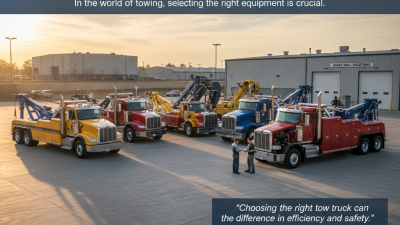
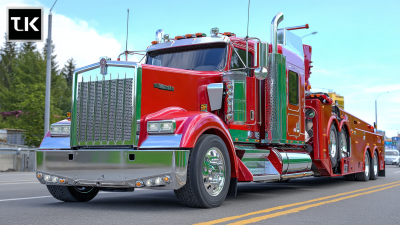
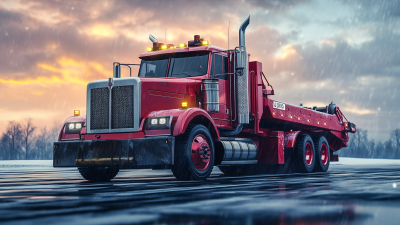
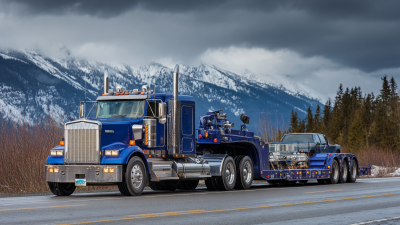
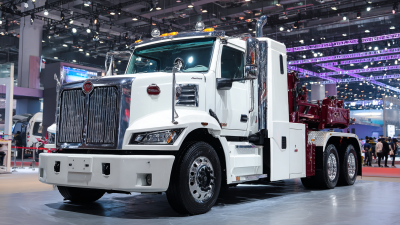
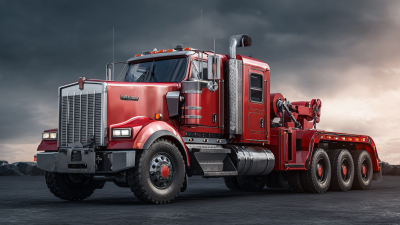
Hey there! If you're diving into the booming world of recovery vehicles, you’ll want to pay close attention when choosing your Large Tow Trucks. Honestly, picking the right one can make a big difference. I’ve heard guys like Greg Shelton from Heavy Duty Tow Truck Specialists say that investing in quality trucks isn’t just about hauling more; it can really impact how smoothly your operation runs. Plus, safety’s always a big concern, right?
These big trucks come in all sorts of setups and capacities. Things like load capacity, towing power, and how easy they are to handle? You really gotta think about those. Sadly, a lot of folks skip over these details, which often leads to costly mistakes down the line. Honestly, figuring out which features suit your needs isn’t always straightforward.
So, the key is doing your homework — understanding what you really need and maybe chatting with some pros in the industry. They can give you insights you might not find on your own. When you get it right, your business can level up, and your service will definitely shine more than before.
Overview of Large Tow Trucks: Types and Features
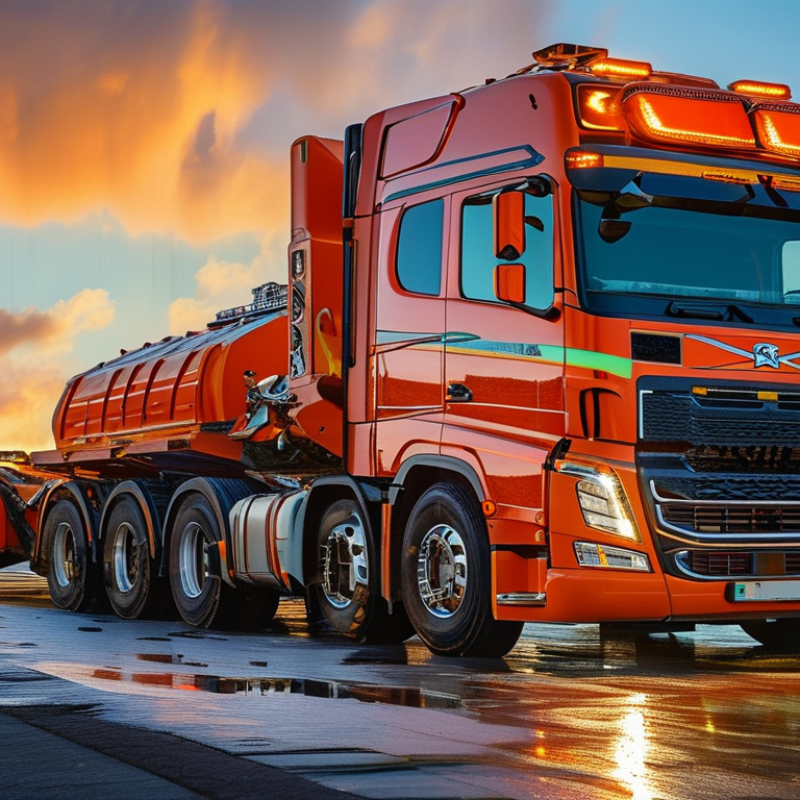
When exploring Large Tow Trucks, there are various types and features that buyers must consider. Heavy-duty tow trucks, known for theirpower, are essential for hauling large vehicles. The market reports indicate that the demand for these trucks will rise by 5% annually over the next five years. Their ability to tow up to 50,000 pounds makes them ideal for commercial use in various industries.
Recovery tow trucks are another category to evaluate. Equipped with specialized tools, they are designed for heavy recoveries. This niche addresses an increasing need in urban areas, especially during accidents. Industry data shows that about 25% of all tows in cities require recovery trucks. Thus, their capability cannot be underestimated.
Buyers should also consider the safety features of large tow trucks. Advanced braking systems and reinforced frames contribute greatly to performance. However, not all buyers are aware of maintenance needs. Trucks Truck And More Trucks requires regular upkeep to ensure longevity. Being informed about servicing is vital but often overlooked. Always think critically about the long-term costs of ownership when investing in these vehicles.
Key Factors to Consider When Buying a Large Tow Truck
When considering the purchase of a large tow truck, several key factors come into play. These factors greatly influence both performance and reliability. First, evaluate the truck’s towing capacity. Choose a model that aligns with your specific needs. Overestimating your capacity can lead to issues down the line.
Maintenance is vital. Ensure you understand the maintenance requirements of the truck. Some models may seem appealing at first, but high maintenance costs can become burdensome. Budgeting for regular service is smart.
**Tip:** Always check the warranty and service history before making a decision. A truck with a good warranty might have fewer hidden troubles.
Next, assess the truck's size and maneuverability. Ensure it can operate in the areas you frequently work in. A large truck might offer better power but can be cumbersome in tight spaces.
**Tip:** Take a test drive. Experience how the truck handles under real conditions.
Also, consider fuel efficiency. Larger trucks can consume significant fuel, impacting your overall costs. Evaluate different options and calculate potential fuel expenses.
**Tip:** Look for reviews and testimonials from other buyers. Real-world experiences offer insights that specifications often miss.
Top Brands in the Large Tow Truck Market
When seeking large tow trucks, buyers must focus on renowned brands that prioritize durability and efficiency. According to a comprehensive market analysis, the large tow truck segment is projected to grow significantly in the coming years. The International Tow Truck Association reports a steady increase in the use of these trucks, fueled by rising demands for vehicle recovery and road assistance.
Key attributes to consider include engine power, towing capacity, and user-friendliness. Many buyers overlook the importance of maintenance and service availability for these trucks. A recent survey indicated that 30% of owners experienced issues due to insufficient after-sales support. It's essential to assess the support network, as this can greatly influence long-term satisfaction.
Safety and technology are also vital. Advanced safety features can significantly reduce accident risks. Truck buyers should prioritize models equipped with cutting-edge technology, yet some choices may lack comprehensive tech integrations. A 2022 industry report noted that more than 20% of large tow truck models fell short in advanced safety ratings. This indicates the need for careful research before the purchase. A well-informed decision can enhance operational reliability and safety for all users.
Comparative Analysis of Buying New vs. Used Tow Trucks
When considering the purchase of a tow truck, buyers face a significant decision: new or used? Large tow trucks, known for their heavy-duty capabilities, come in both categories. New models present the latest technology and warranties, ensuring reliability. Maintenance is often low in the first few years, giving buyers peace of mind. However, the initial costs can be daunting.
On the other hand, buying a used Big Tow Truck offers immediate savings. Often, these trucks still have plenty of life left. A careful inspection can reveal hidden gems at a fraction of the new price. However, potential buyers must be wary of wear and tear. An older vehicle may require repairs that diminish savings. Knowing the truck’s history is crucial. Some used trucks may not have undergone regular maintenance, leading to future issues.
Ultimately, the choice between new and used large tow trucks depends on budget, needs, and risk tolerance. Each option presents unique advantages and challenges. Buyers should weigh these factors carefully, considering both immediate and long-term needs.
Cost Breakdown: Budgeting for a Large Tow Truck Purchase
Budgeting for a large tow truck purchase involves several considerations. First, you need to assess the initial cost. Large tow trucks can range significantly in price. Setting a budget helps narrow options. Financing may also be an option. Research financing options thoroughly to avoid surprises.
Don't forget about ongoing expenses. Maintenance is a hidden cost that adds up over time. Routine checks, oil changes, and tire replacements are essential. Some buyers overlook these costs, leading to financial strain later. Insurance is another important factor. Obtaining quotes from various providers is smart. Coverage can vary widely, impacting your budget.
Additional features may enhance functionality but increase price. Consider what you truly need versus what looks good on paper. It’s easy to get caught up in extras. For instance, advanced towing tools can be costly but highly useful. Reflecting on what you'll actually use is crucial in decision-making. Ultimately, clarity in budgeting leads to better choices when selecting your Big Truck Tow.
Budget Breakdown for Large Tow Truck Purchase
Maintenance Considerations for Large Tow Trucks
When investing in large tow trucks, maintenance should be a top priority. Regular inspections can catch issues before they escalate. Check hydraulic systems, tires, and braking components regularly. Wear and tear can go unnoticed, leading to costly repairs. Keep detailed records of all maintenance work to ensure reliability.
Hydraulic fluid levels must be monitored. Low levels may indicate leaks or other problems. Tires should be checked for proper inflation and tread depth. An unexpected tire failure can halt operations. Additionally, engine performance must be assessed routinely. Pay attention to any unusual noises or warning lights.
Cleaning the truck regularly can prevent rust and corrosion. Salt and grime can accumulate, weakening the structure over time. Owner operators should also consider training for staff on proper maintenance techniques. Knowledge gaps can result in mismanagement. Regular training ensures everyone understands the importance of upkeep.
Top 10 Large Tow Trucks Buyers Should Consider Now? - Maintenance Considerations for Large Tow Trucks
| Truck Model | Towing Capacity (lbs) | Engine Type | Fuel Efficiency (mpg) | Maintenance Cost (annual) | Warranty Period (years) |
| Model A | 30,000 | Diesel | 10 | $2,500 | 3 |
| Model B | 28,000 | Gasoline | 12 | $2,000 | 5 |
| Model C | 35,000 | Diesel | 8 | $3,000 | 4 |
| Model D | 40,000 | Diesel | 7 | $3,500 | 3 |
| Model E | 33,000 | Gasoline | 9 | $2,300 | 5 |
Regulations and Licensing for Operating Large Tow Trucks
Operating large tow trucks requires compliance with various regulations and licensing. The U.S. Department of Transportation emphasizes that drivers must hold a valid Commercial Driver's License (CDL). This ensures they are trained to handle large vehicles. A study from the American Towman Association indicates that nearly 30% of accidents involve unlicensed operators. This highlights the importance of proper licensing.
To stay compliant, it's crucial to understand local regulations. Different states might have specific requirements, such as permits or additional training. Operators also need to ensure their Tow Truck Parts meet safety standards. Regular inspections are vital for maintaining compliance and ensuring the safety of all road users.
Tips: Always keep your documentation organized. Track your licenses and permits to avoid unexpected fines. Additionally, stay updated on industry changes. Attend workshops and training sessions to enhance your knowledge. Being proactive can prevent costly disruptions in your operations.
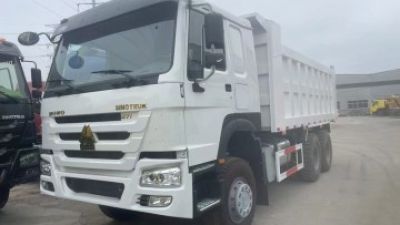
Exploring the Benefits and Features of the Sinotruk HOWO 371HP Sino 6X4 Used Dump Truck for Sale
The Sinotruk HOWO 371HP Sino 6X4 used dump truck stands out in the commercial vehicle market due to its impressive features tailored for efficiency and comfort. One of the most notable attributes of this model is its spacious cab, which provides an unparalleled driving environment. According to industry data, drivers who experience less fatigue due to ergonomic cab designs tend to maintain higher operational efficiency. The flat floor design, commonly found in certain models, enhances this convenience, allowing for easier movement between the driver and passenger seats, especially during long hauls.
Moreover, the HOWO truck incorporates humanized configurations that cater to the modern driver's needs. Equipped with a multifunction steering wheel, automatic air conditioning, and shock-absorbing seats, it allows for custom adjustments to optimize comfort while on the road. This thoughtful design contributes to an overall enhanced driving experience, making long distances more manageable. Studies suggest that improved driving comfort leads to better focus and reduced accident rates, a significant consideration in the heavy vehicle segment.
Additionally, the truck's robust power and large carrying capacity position it as a formidable choice for various transport needs. The sizable cargo box and flexible wheelbase enable it to adapt to diverse working conditions and special transportation requirements. According to market analysis, trucks with superior cargo capabilities often result in increased profitability for operators due to lower operational costs and the ability to handle a wider range of loads efficiently. This model exemplifies the trend toward combining powerful performance with driver-centric features, ensuring it remains a competitive option in the used dump truck market.
FAQS
: There are heavy-duty tow trucks and recovery tow trucks. Each serves different purposes in vehicle assistance.
Heavy-duty tow trucks can tow up to 50,000 pounds, making them suitable for commercial use.
Recovery tow trucks are crucial for urban accidents. Approximately 25% of all tows in cities require these specialized trucks.
Look for advanced braking systems and reinforced frames. These features greatly enhance the truck's performance and safety.
Regular maintenance is vital for longevity. Many buyers overlook upkeep, which can lead to costly repairs later.
Evaluate durability, efficiency, and after-sales support. Poor support can lead to 30% of owners facing operational issues.
Yes, a valid Commercial Driver's License (CDL) is required to ensure safe handling of large vehicles.
Understand state-specific requirements and ensure all vehicle parts meet safety standards through regular inspections.
Unlicensed operators increase accident risks. About 30% of towing accidents involve unlicensed drivers.
Organize your licenses and permits diligently. Staying updated on industry changes can prevent unexpected fines.
Conclusion
When considering the purchase of Large Tow Trucks, potential buyers should first understand the various types and features available in the market. Each type caters to different towing needs, influencing overall performance and utility. Key factors like payload capacity, vehicle size, and advanced features must be taken into account, ensuring the right fit for specific applications.
Furthermore, buyers face the choice between new and used tow trucks, with each option presenting distinct advantages and financial implications. A detailed cost breakdown, including initial purchase price and ongoing maintenance expenses, is essential for effective budgeting. Additionally, understanding necessary regulations and licensing for operating Large Tow Trucks is crucial for compliance and safety in towing operations. By carefully analyzing these aspects, buyers can make informed decisions that align with their operational requirements.